Outside the Box, Inside the Chaos: The "Freedom 250" Logistics Nightmare
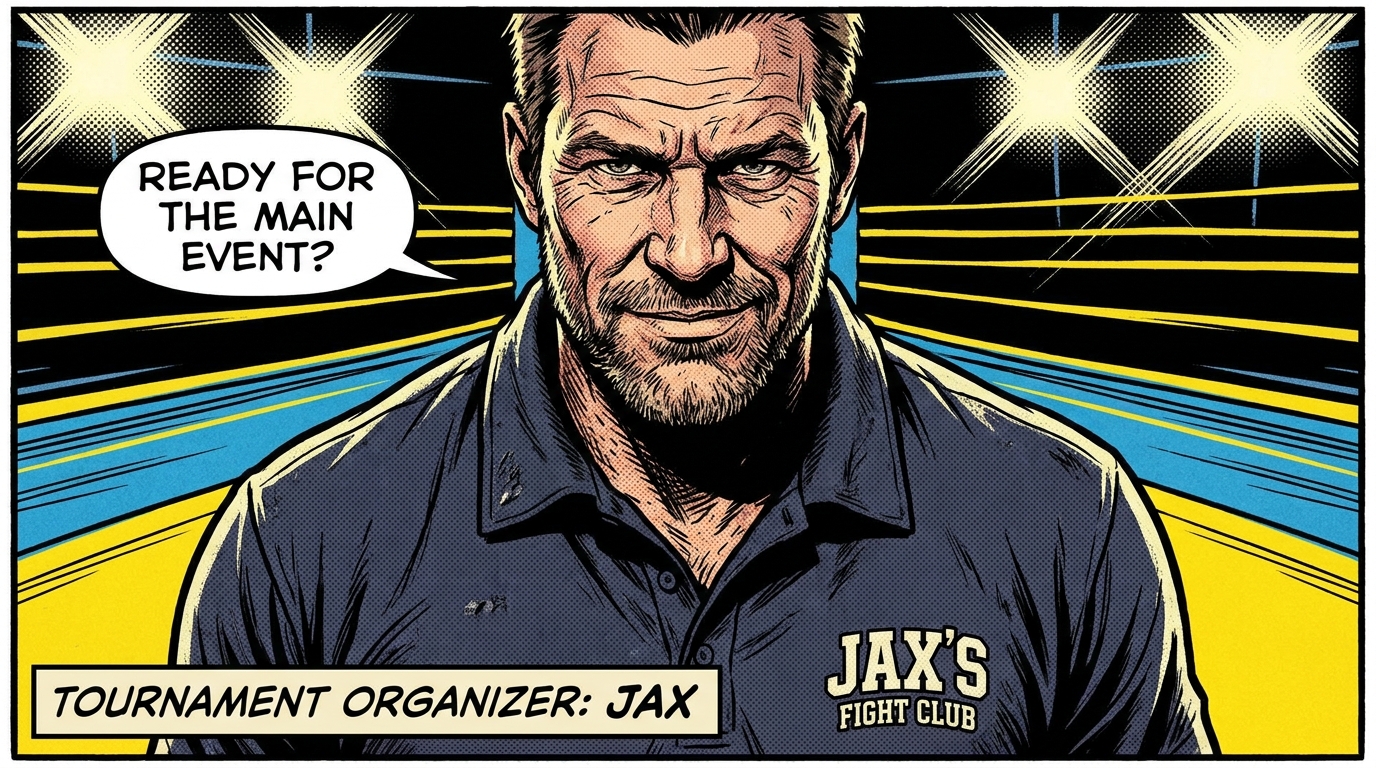
Jax "The Bracket Boss" Riley
Listen up, here’s the deal. If you’ve ever run a local tournament, you know that just getting the referee to show up on time or keeping a white belt from bleeding all over Mat 3 is enough to give you a stroke. Now, imagine doing all of that, but your venue is the South Lawn of the White House, it’s the middle of June, and the guys checking your badges are wearing earpieces and carrying automatic weapons.
The UFC is throwing down a temporary octagon on the President's grass for UFC Freedom 250 this weekend, featuring Ilia Topuria and Justin Gaethje. It sounds legendary. It looks awesome on a poster. But from a tournament coordinator's perspective? It is a flat-out logistical nightmare.
When you step out of the comfort zone of a standard high school gymnasium, a local fieldhouse, or a Vegas arena, the rules change completely. If you’re a local promoter thinking about booking an outdoor venue, a beach throwdown, or a parking lot brawl, you need to look at what’s happening in D.C. right now and take notes.
Here is exactly how an outdoor, non-traditional setup can choke your event out faster than a textbook guillotine if you aren't ready.
1. The Elements: When Nature Fights Back
In a standard arena, you set the thermostat to 68°F and forget about it. Outdoors in June? You are at the mercy of the gods.
- The Canvas Heat: Canvas and vinyl absorb sunlight like a sponge. I’ve seen outdoor mats get so hot they literally blistered the bottoms of guys' feet during morning weigh-ins. If the UFC doesn't have a massive, climate-controlled canopy over that cage until the exact moment the sun drops, those fighters are going to be stepping into a frying pan.
- The Sun vs. The Stream: Lighting an outdoor event when the sun is setting is a nightmare. You go from harsh, direct sunlight blinding the fighters on one side of the cage, to a weird twilight, to pitch blackness. Your lighting rig has to be bulletproof, perfectly angled to prevent shadows on the broadcast, and robust enough to handle any sudden wind gusts pushing across the lawn.
2. Lockdowns and Lanyards: High-Security Chaos
You think it's annoying when a coach tries to sneak three extra corner men into the barricaded area? Try dealing with the Secret Service.
When you run an event in a non-traditional space, your security perimeter dictates your entire schedule. For "Freedom 250," every single piece of audio gear, every truss, every water bottle, and every cornerman’s bucket has to go through a federal screening process.
For a local promoter, this translates to load-in time. If you are renting a public park or a pier, you don't have 24-hour access. If your staff gets bottlenecked at a single security gate or check-in table, your brackets delay by two hours, your fighters get cold, and your entire event turns into a sloppy mess.
3. Crew Coordination Under Pressure
When you're inside a regular venue, your crew knows where the bathrooms are, where the medical tent is, and where to run the extension cords. In a temporary outdoor setup, you are building a city from scratch.
If a storm rolls in, what's the evacuation plan? If a fighter gets injured, what is the exact path the medics take to get them to the ambulance when the entire perimeter is fenced off? If your digital brackets go down because the outdoor Wi-Fi drops, do you have a hardwired backup?
The Takeaway for Local Promoters
You don’t need the Secret Service patrolling your local grappling tournament to learn from this. The lesson here is simple: Non-traditional venues require double the preparation.
If you want to step outside the standard gymnasium, your day-of execution plan has to be absolutely bulletproof. You need to account for sun angles, backup power generators, flooring that won’t warp on uneven grass, and a staff that knows exactly who is in charge of what when the chaos hits.
It’s awesome to dream big and build a unique experience for your competitors. Just make sure that when the gate locks, the only fight happening is the one inside the cage—not the one behind the scenes.
Stay gritty. Keep those brackets tight.
- Jax
Looking to keep your next event from turning into a logistical circus? Streamline your registration, brackets, and day-of operations seamlessly with Competition Pulse.